National Finale — 29 November 2026, Kololo Independence Grounds, Kampala
The concept

A national movement using sport to end AIDS as a public health threat by 2030.

The Uganda AIDS Marathon 2026 turns eleven cities and a shared finish line into a platform for testing, treatment, awareness and resource mobilisation — for people living with HIV and the communities who stand with them.

Running for Hope · 2026

This is what solidarity looks like, multiplied across eleven cities.

From the first regional weekend in Arua to the Kampala finale, the same energy repeats — testing, treatment access and community wellness carried forward one stride at a time.

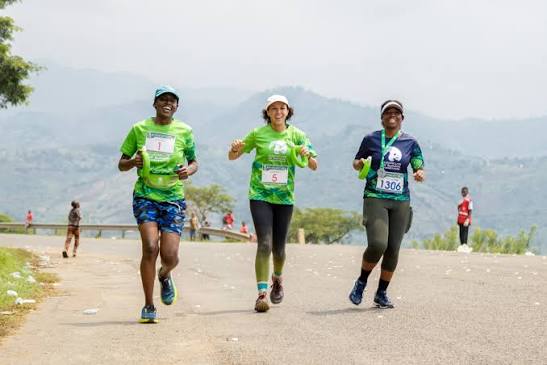
Three runners on a scenic hilly road
01 — Rationale

Why we run

Progress has been real. The work is not finished — especially for adolescent girls and young women.

Uganda has made major progress against HIV/AIDS through political leadership, multi-sectoral coordination and sustained partnerships. Yet HIV/AIDS remains a major public health challenge — particularly for young people, women and vulnerable populations.

Uganda currently has 1.526 million people living with HIV, with 37,000 new infections recorded in the last reported year — over 70% of them among adolescent girls and young women — and 20,000 HIV-related deaths.

"The Marathon exists to provide a national platform for solidarity and domestic resource mobilisation, at a time of diminishing donor funds."

Three things drive the initiative: expanding a national platform for solidarity and domestic resource mobilisation; increasing access to integrated health services focused on reducing new infections among adolescent girls and young women; and strengthening partnerships across government, corporate and institutional actors.

HIV infection trend, 2010 → 2025

New infections have fallen sharply across every population group over fifteen years — the Marathon is built to keep that trajectory moving toward zero.

Population20102025
Adults and children96,00037,000
Adults 15+77,00032,000
Adult women 15+45,00021,000
Adult men 15+32,00011,000
All young people 15–2433,00014,000
Young men 15–249,0003,000
Young girls 15–2424,00011,000
All adolescents 10–1914,0006,000
Adolescent girls 10–1913,0005,500
Adolescent boys 10–191,000500
Children 0–1420,0004,700

Swipe to see more →

02 — Goal & Objectives

What success looks like

Mobilise communities and stakeholders to strengthen Uganda's HIV/AIDS response.

Overall goal: mobilise communities and stakeholders to strengthen Uganda's HIV/AIDS response through wellness promotion, public engagement, advocacy, awareness and fundraising.

  1. Integrated health outreach, nationwide

    Provide integrated health outreach services across all 11 cities in Uganda — from HIV testing to TB, Hepatitis B and cancer screening.

  2. Mobilise youth, institutions and corporates

    Bring youth, institutions, corporates and communities into active, visible participation in the national HIV response.

  3. Mobilise resources through partnership

    Build resource partnerships with government, the private sector, development partners, civil society and communities.

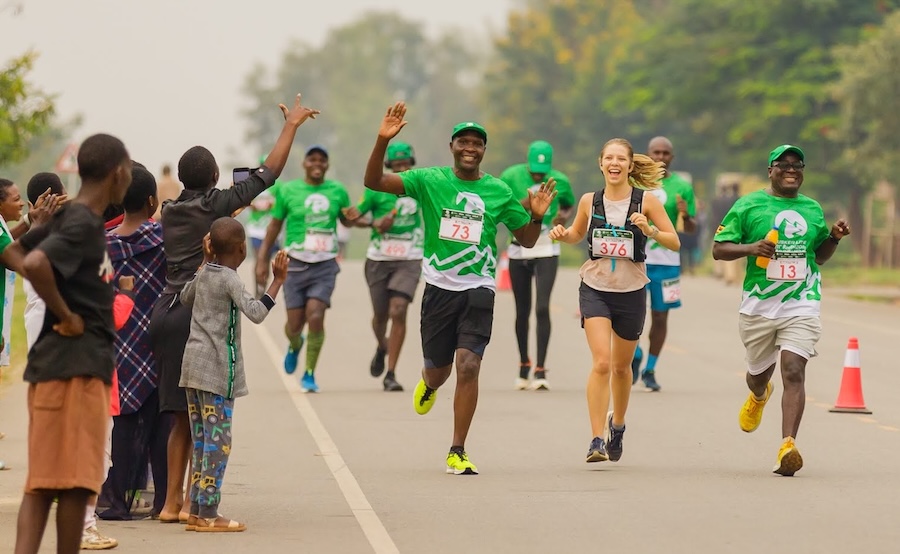
Runners being cheered on by a roadside crowd
Convened nationally

A coalition of government, health and community partners — carried by a nation on foot.

03 — Partnership Framework

Convened nationally

A 20-member national taskforce plans and coordinates delivery through four anchor partners.

A twenty-member, multi-sectoral national taskforce plans the event, identifies partners, holds monthly coordination meetings, mobilises partners and resources at national and sub-national level, and handles reporting and accountability.

Lead Convening Partner

Uganda AIDS Commission

Strategic oversight, national coordination guidance, alignment with Uganda's HIV/AIDS response framework, technical guidance, stakeholder mobilisation and national visibility.

Financial & Health Sector Manager

TASO

Financial systems for receiving, disbursing and accounting for funds; health sector coordination across 11 cities; technical health expertise; referral support via centres of excellence.

Lead Implementing Partner

Village Journeys Africa

Event planning and execution, national coordination, community mobilisation, stakeholder engagement, media coordination, logistics management and reporting.

Local Government Partner

AMICAALL

Mobilises local leaders, drives Mayor-led HIV awareness, and identifies event venues across the regional activation cities.

Alongside these anchors, national and sub-national HIV Response Partners (HRPs) contribute publicity, event participation and resource mobilisation support — both financial and in-kind.

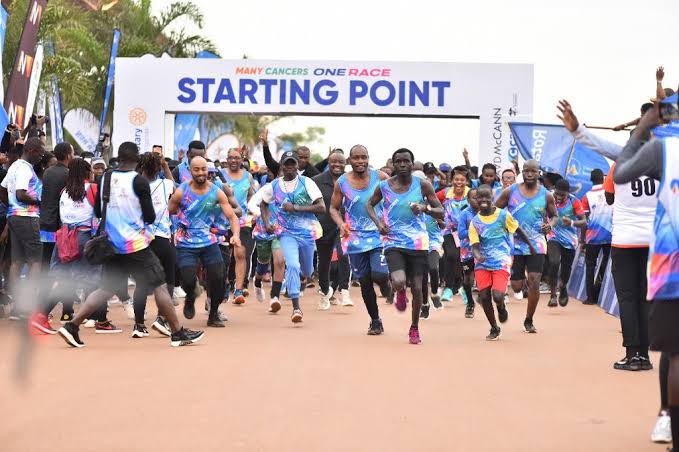
Runners at the starting line of a mass race
04 — Expected Outcomes

What the Marathon delivers by 30 Nov 2026.

10,000+
People reached with integrated health outreach across the 11 cities, reducing new HIV infections and related deaths.
1,950M
UGX mobilised through partnerships with government, private sector, development partners, civil society and communities.
2030
Target year for ending AIDS as a public health threat — strengthened by inclusive, multi-sectoral collaboration.
Join the coalition

Together, we can run for Hope — zero new infections, a future free from AIDS.